

As the temperature drops, the colder months can be challenging for older adults. What feels like a mild chill to some can have serious consequences for those with weaker immune systems or existing health conditions. Each winter, the NHS reports a rise in hospital admissions linked to cold-related illnesses such as pneumonia, heart attacks, and falls.

Staying warm isn’t just about comfort; it’s a matter of health and wellbeing. When body temperature falls below safe levels, it puts extra strain on the heart and respiratory system, increases joint stiffness, and can even impact mood and mental health. Creating and maintaining a warm, safe home environment plays a crucial role in helping older adults stay healthy, active, and independent during the winter months.
Why Warmth Matters For Elderly Health
As we age, our bodies naturally become less efficient at regulating temperature. This means older adults lose heat faster and may not feel cold until their body temperature has already dropped to unsafe levels. A weaker immune system also makes it harder to fight off infections that often spread more easily in winter.
Cold homes can quickly turn from uncomfortable to dangerous. Low indoor temperatures increase blood pressure, putting extra strain on the heart and raising the risk of heart attacks and strokes. Chilly air can also irritate the lungs, leading to respiratory infections such as the flu or pneumonia. For those living with conditions like arthritis, diabetes, or heart disease, cold weather can make symptoms worse and slow recovery times.
Even everyday activities become more difficult in a cold environment. Stiff muscles and joints reduce mobility, increasing the likelihood of falls and injuries.
The Mental Health Side Of Staying Warm
Cold, dark winter days can take a toll on more than just physical health. Many older adults experience feelings of loneliness or low mood during this time of year, particularly when shorter days limit social interactions and outdoor activities. A cold home can make these emotions worse, creating an environment that feels isolating.
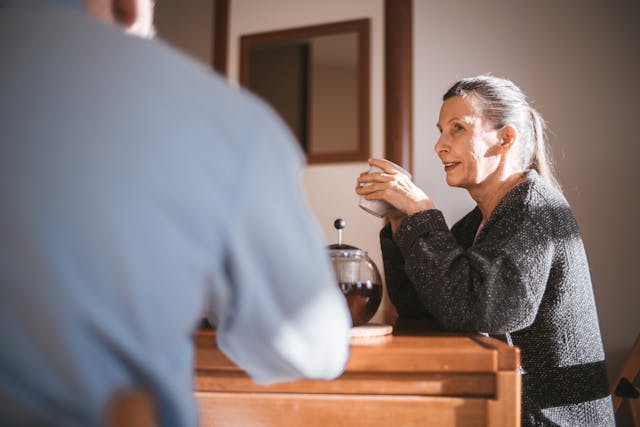
In contrast, a warm and comfortable living space can have a positive effect on mood and emotional wellbeing. It promotes relaxation, improved sleep, and a sense of security – all of which contribute to better mental health. Simple comforts, such as feeling cosy under a blanket or sharing a warm cup of tea, can make a significant difference in helping older adults feel connected, cared for, and content during the winter months.
Practical Ways For The Elderly To Stay Warm And Safe This Winter
Staying warm doesn’t have to be complicated – small daily habits can make a big difference in comfort and safety. Here are some simple, practical ways to keep the cold at bay this winter:
- Layer up: Wear several light layers rather than one thick jumper. Thermal tops, socks, and slippers help retain body heat.
- Keep moving: Gentle indoor exercises, such as stretching or walking around the house, help boost circulation and keep the body warm.
- Block the draughts: Use draught excluders, door stoppers, and thermal curtains to keep heat inside and reduce energy loss.
- Know your support options: Check eligibility for winter fuel payments, cold weather payments, or energy efficiency grants that can reduce heating costs.
- Maintain safe temperatures: Keep living spaces between 18°C and 21°C. Using a thermostat or portable heater in key rooms helps ensure consistent warmth.
These simple steps not only protect against the cold but also promote comfort, wellbeing, and a sense of peace of mind throughout the winter season.
Home Heating and Boiler Health: Keeping Systems Efficient And Reliable
It’s easy to take heating for granted until the system stops working on the coldest day of the year. Regular maintenance and efficiency checks can make all the difference in keeping your home warm, safe, and cost-effective.
An efficient boiler doesn’t just provide consistent heat; it also helps reduce energy bills and lowers environmental impact. Annual servicing ensures your boiler runs smoothly and safely, while upgrading to a modern, energy-efficient model can improve performance and reliability.
If your boiler is unreliable or struggling to heat your home evenly, companies like WarmZilla make it easy to compare and install energy-efficient boilers that keep your home safe and warm all winter. Investing in a reliable heating system provides peace of mind and ensures that every room remains comfortable, regardless of the outside temperature.
A Warm Home Is A Healthy Home
Staying warm in winter is about more than comfort – it’s about protecting both physical health and emotional wellbeing. For older adults, a consistently warm home can reduce illness, ease stress, and support independence.
Preparing early by checking heating systems, layering up, and making minor home improvements can prevent bigger problems later in the season. Every step taken towards a safer, warmer home helps promote confidence and peace of mind.
A warm home can make all the difference – not just in comfort, but in health, happiness, and quality of life.